

EMDR therapy
A structured, evidence-based therapy that helps you process difficult experiences and gently shift long-held negative beliefs into more supportive and balanced ways of thinking and feeling.
EMDR therapy to help you work through what feels stuck
EMDR (Eye Movement Desensitisation and Reprocessing) is a systematic method of therapy aimed at making your brain process experiences that seem to be stagnant or otherwise unresolved. These may be significant life events as well as small moments that defined your identity.
What is EMDR therapy?
EMDR is not only for trauma, such as PTSD or C-PTSD, but also anxiety, depression, and deeply rooted beliefs, such as “I am not good enough”. Therapy shifts these beliefs towards something more constructive, such as “My best is enough.” We ensure that EMDR is the right option for you and that you are prepared to undergo the process before getting started.
How does EMDR work?
EMDR therapy is a proven method that uses bilateral stimulation, often through guided eye movements, to help the brain reprocess distressing memories. Similar to how the mind processes experiences during REM sleep, EMDR helps restore healthy information processing and reduce the emotional impact of past trauma. It’s especially effective for addressing childhood abuse, neglect, or other relational trauma. For more details, visit EMDRIA
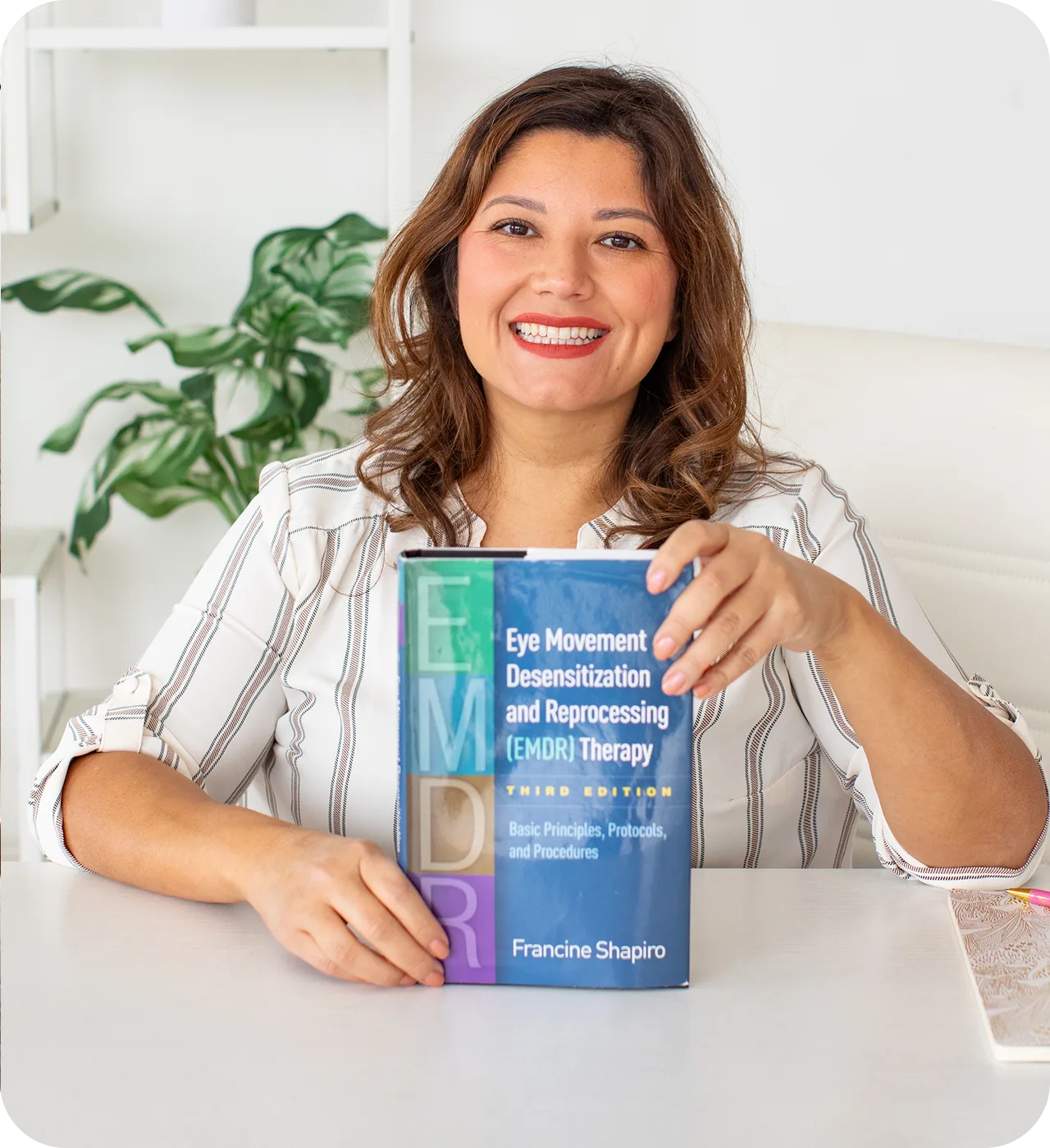


“As a trained EMDR therapist, I use this proven approach to help your brain process distressing memories so they no longer hold the same emotional charge. The goal? To help you move forward feeling lighter, steadier, and more in control.”
What EMDR
can help with
Conditions EMDR therapy may help treat include:
- Post-Traumatic Stress Disorder
- Anxiety Disorders
- Depression
- Panic Disorder
- Obsessive-Compulsive Disorder
- Phobias
- Obsessive-Compulsive Disorder
- Substance Use Disorder
- Chronic Pain
- Sleep Disorders
- Grief Disorder
- Stress Disorders
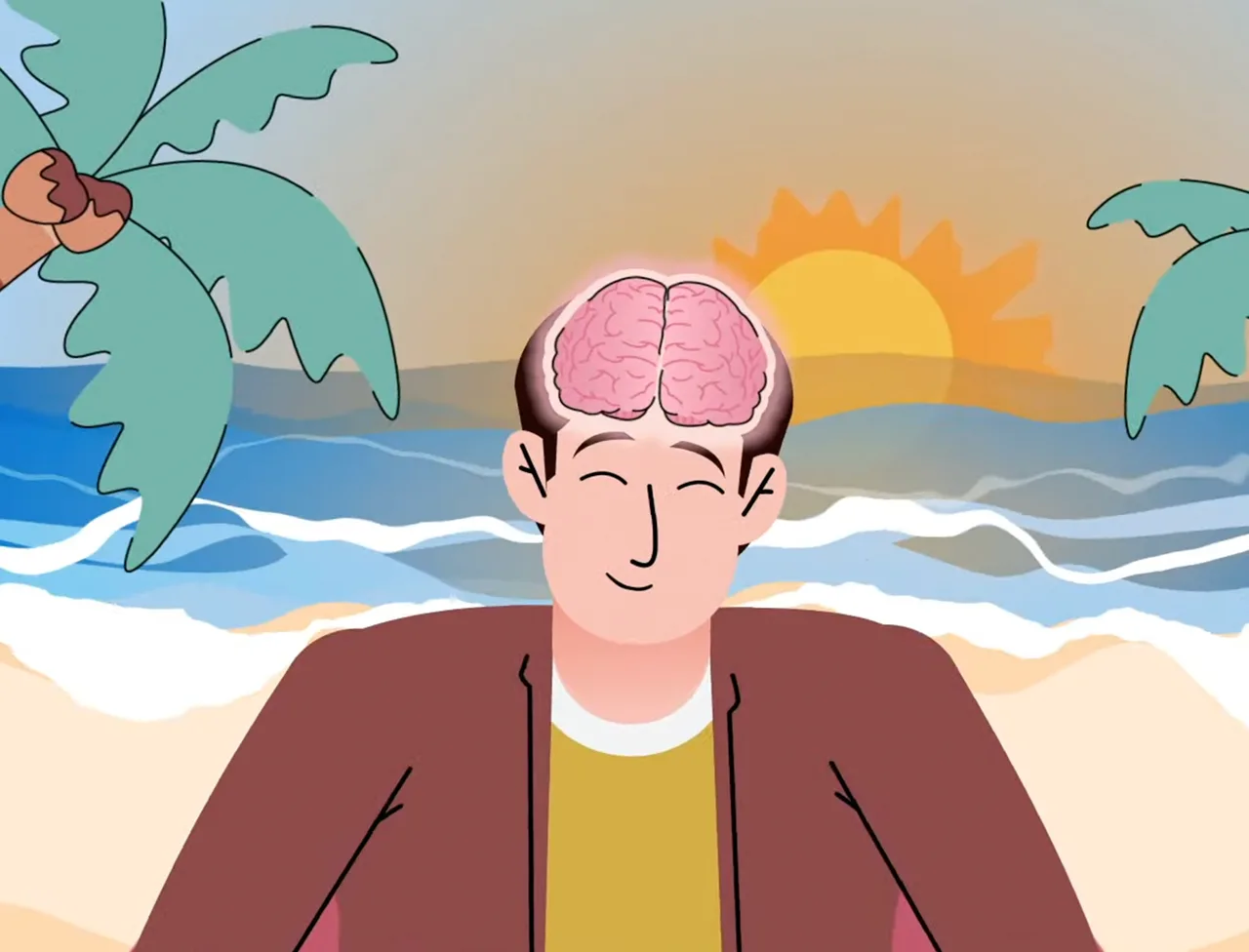

Not sure if this fits you?
Do certain situations or triggers feel more overwhelming than they should? Do negative thoughts about yourself keep showing up even when you know they are not true? EMDR therapy may still help you heal and process those experiences.

What to expect
Swipe to explore more

Psychoeducation
Before starting EMDR, it’s important to build a solid understanding of significant past experiences. We use educational material to learn about the how and why behind your mental health concerns.
First session
I walk you through how EMDR works, including its 8 phases, so you feel informed, prepared, and comfortable with the process. We build emotional safety first, using grounding techniques so you feel supported before processing deeper experiences.
Weekly sessions
I create a space that prioritizes safety, choice, and respect while recognizing how trauma shapes emotional and physical responses that can lead to anxiety.
Results clients often notice
More calm in stressful moments
Better sleep
Fewer spirals
More focus
Confidence to do what matters
Client experiences



Frequently asked questions
Do you provide in-person sessions?
No, I am virtual only, which allows me to see anybody in the entire state of Texas. I use a secure HIPAA-compliant EHR platform called Simple Practice for our video calls.
Do you accept insurance?
Yes, I accept insurance. I work with a billing company called Alma. You will have to visit the portal and upload your documents. Next, they will verify your insurance and notify you about the expected price.
You can learn more information about which insurances are accepted here: Rates and Insurance
What is EMDR therapy?
EMDR is a structured therapy that helps process difficult experiences so they no longer feel as overwhelming.
Is EMDR only for trauma?
No, it can also help with anxiety, depression, and negative beliefs formed over time.
How do I know if I’m a good candidate for EMDR?
We assess this together in the initial sessions to make sure it’s the right fit for you.
What are the 8 phases of EMDR?
EMDR follows a structured 8-phase process designed to safely guide you through preparation, processing, and integration. You can learn more about the 8 phases here
Will I have to relive painful experiences?
No, the process is guided in a way that keeps things manageable and does not overwhelm you.
How long does EMDR take?
This varies based on your needs, but many people begin noticing shifts within a few sessions.
What issues can EMDR help with?
EMDR can support PTSD, C-PTSD, anxiety, depression, and long-standing negative beliefs.

Ready when you are
“Reaching out takes courage, and you’ve already taken the first step by looking for help.”
You don’t need to have everything figured out. This is simply the next step toward getting support that’s thoughtful, respectful, and grounded in real work. If you’re ready, we’ll begin with a free 15-minute consultation to talk about what you’re looking for and how I can help.
You don’t have to do this alone.